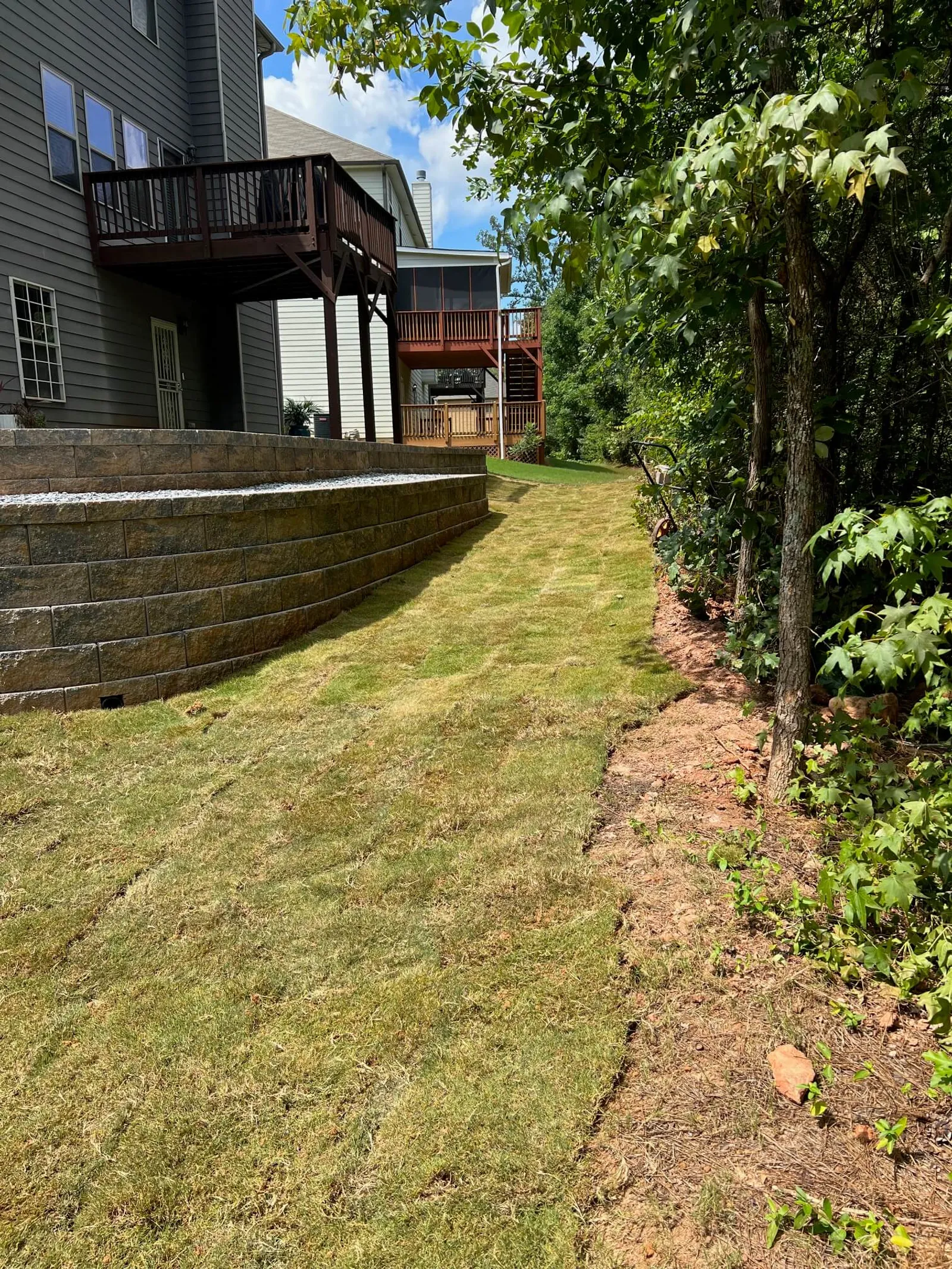
Trees add beauty, shade, and value to homes across Conyers, but there are times when leaving a tree in place becomes risky. Whether due to storm damage, disease, aging, or overgrowth, some trees can put your property — and even your family — at risk.
Common Signs a Tree Should Be Removed
The Tree Is Leaning More Than Usual
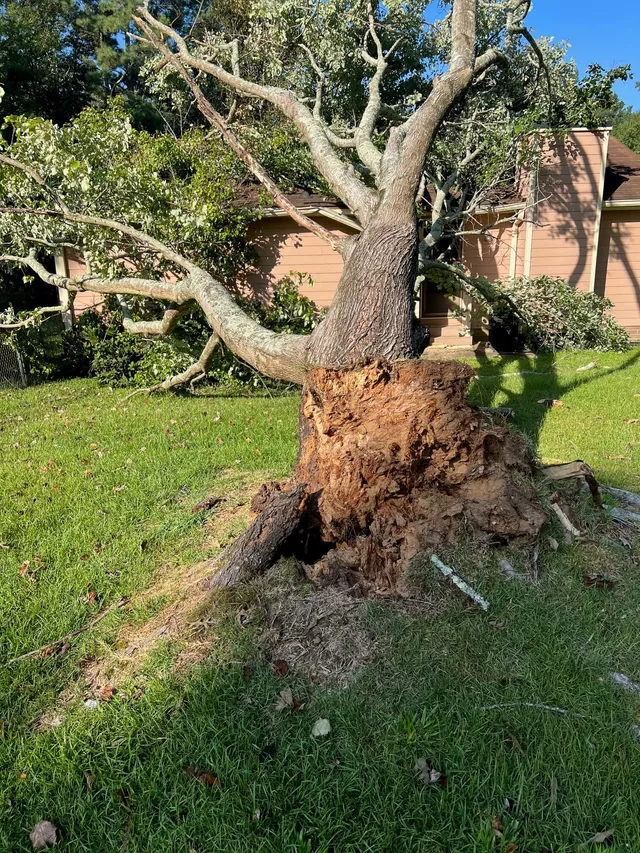
If your tree suddenly starts leaning or the angle keeps increasing, it may signal uprooted roots, soil instability, or internal weakening — especially dangerous where storms and strong winds are common.
Major Branches Are Dead or Decaying
Large dying limbs or multiple dead sections could indicate fungal infections, internal decay, or root damage, and can fall without warning.
The Trunk Shows Serious Damage
Visible cracks, deep cavities, or peeling bark may mean the tree is structurally compromised, affecting the entire tree’s stability.
The Tree Is Too Close to Structures
Even a healthy tree can become problematic growing over the home, near power lines, or too close to the driveway or fencing.
The Tree Has Root Problems
Fungus growing at the base, heaving soil, and dead sections of foliage can indicate severe root issues affecting a tree’s ability to stay upright.
Why Professional Removal Matters
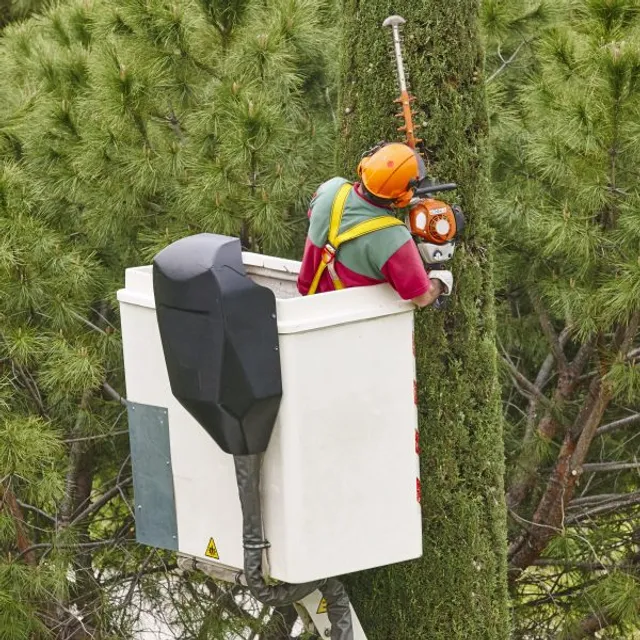
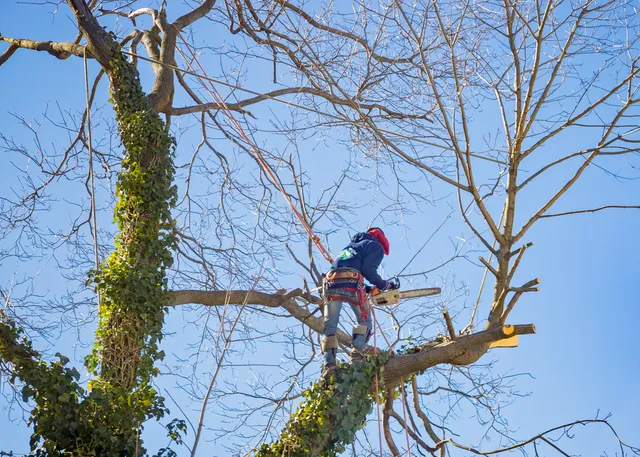
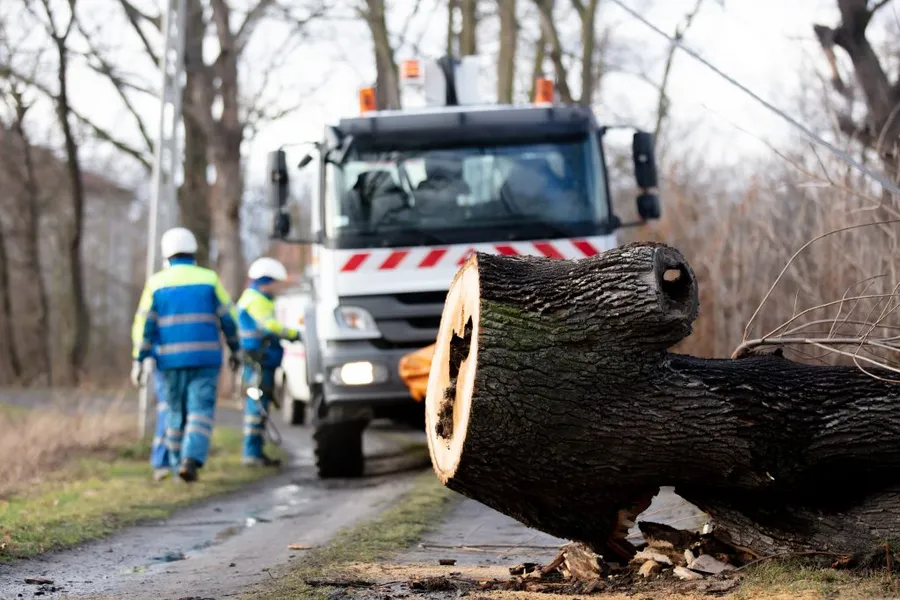
Tree removal is one of the most dangerous outdoor tasks homeowners can attempt. Professionals use the right equipment and techniques to remove trees quickly and safely, assess whether a tree needs removal versus pruning or treatment, and handle cutting, hauling, disposal, and site cleanup.
The Local Environment Matters
Conyers experiences seasonal storms, humidity, and rapid growth conditions that affect tree health. A local tree removal professional understands the landscape, soil conditions, and tree varieties common in Conyers.
What Happens After a Tree Is Removed?
Many homeowners follow up with stump grinding, debris cleanup, and new landscaping or tree planting to maintain curb appeal.
Final Thoughts
Whether you’re dealing with a storm-damaged oak, a diseased maple, or a tree growing too close to your home, knowing when to act protects your home, your family, neighboring properties, and the beauty of your landscape.